


Why We Remember: A September 11 Reflection on Faith and History
Updated: 5 days ago

For nearly 2½ years, starting in March 1999, I worked on the 72nd floor of the World Trade Center’s north tower. It was a place filled with cherished memories. Thirty-three years ago, I proposed to my wife on the observation deck of the south tower. After work, I often returned there to sit in silence, gaze over New York City, and reflect. It was one of my favorite places in the world. On the morning of Sept. 11, 2001, I was asleep on a commuter bus traveling north on the FDR Drive. Around 8:50 a.m., just as we emerged from the Battery Tunnel, a woman suddenly began shouting. I looked up and saw an orange blaze engulfing the upper floors of the north tower. I immediately called my brother and told him to turn on the television. As he watched from home and I stared out the bus window in disbelief, a large plane slammed into the south tower. In that instant, any hope that the first strike had been an accident vanished. America was under attack, and for the first time in my life, I saw fear in the eyes of New Yorkers. We’re known for our edge, grit, and confidence, but on that day, people ran through the Financial District, streamed toward the Brooklyn Bridge, and even walked down the FDR in stunned silence. In the 25 years since that terrible day, the city has endured, but it has never been the same.
For my family, however, Sept. 11 carries another layer of profound meaning. On that date in 1973, Gen. Augusto Pinochet overthrew the Marxist government of Salvador Allende in Chile, an event my parents, along with most Chileans, believe saved their lives and the nation’s future. I was a boy during that time when we endured severe inflation, food shortages, property confiscation, rising crime, and widespread societal chaos during Allende’s presidency. Because my parents resisted the communist takeover, revolutionary guerrillas marked them for death. They remain convinced that without the military’s intervention, Chile would have become a communist dictatorship like Cuba. Thankfully, General Augusto Pinochet liberated Chile and, as a result, saved the lives of millions. Thus, Sept. 11 evokes powerful emotions for Chileans. For my family, it marks the day we escaped death and Chile avoided the evils of communism.
These are not simply stories I tell about the past. They are memories that have formed me. My experience in the World Trade Center shaped the way I understand vulnerability, courage, loss, and the fragility of the world we inhabit. My family's experience in Chile shaped the way I understand ideology, freedom, political power, and the consequences of ideas. These experiences have become part of the worldview I now carry and, in turn, seek to pass on to the Fellows.
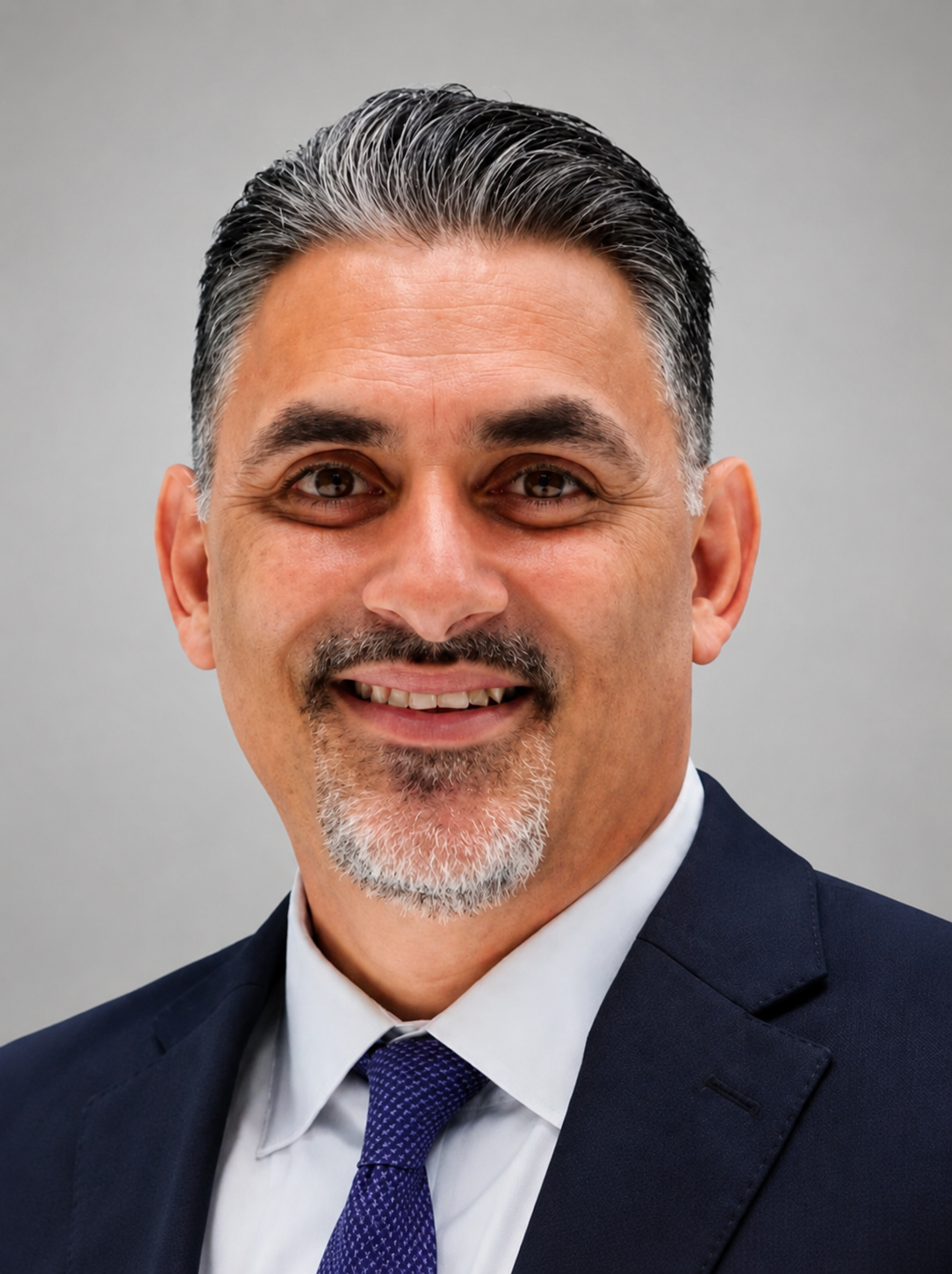
This is one reason I believe so deeply in formation. We are shaped by what we remember, what we are taught, and the stories we inherit. As the Director of The Falls Church Fellows, I have the privilege of walking alongside young men and women who are beginning to enter the marketplace and helping them understand not only what they believe, but why it matters and how it should shape the way they live. My hope is that they will receive the wisdom of previous generations, learn from our experiences, and develop the discernment to faithfully engage the world they are inheriting.
Sept. 11, 1683, also has special significance because of its historical connection with Sept. 11, 2001. On that date, the Ottoman advance into Europe was halted at the Battle of Vienna. Following the fall of Constantinople in 1453, the Ottoman Empire expanded steadily into southeastern and central Europe through military conquest, bringing vast territories under its rule. Vienna represented the gateway to the heart of Europe, and its capture would likely have opened the door to further Islamic expansion across the continent, fundamentally altering Europe’s religious, cultural, and political landscape. Instead, the allied Christian forces broke the siege and turned back the Ottoman advance, marking a decisive moment in European history.
The connection between these three dates has always struck me. Each Sept. 11 marks a civilizational crisis and a decisive turning point. The Battle of Vienna reminds us of the deep roots of history. The experience of my family in Chile reminds me that ideas have consequences. And my own experience on Sept. 11, 2001, reminds me that history is not something that happens only in books. History happens to real people, shapes real families, and forms the people who live through it.
That is why Scripture's command to remember is so important to me. As we begin another year of The Falls Church Fellows, I am reminded that part of our responsibility in forming the next generation is to pass on what we have learned—to tell them what we have seen, what we have experienced, what we have inherited, and what we have come to believe is true.
“Remember the days of old, Consider the years of all generations. Ask your father and he will inform you, Your elders, and they will tell you.” — Deuteronomy 32:7 (NASB)
We remember because memory forms wisdom, and wisdom prepares the next generation. I tell these stories to the Fellows because I want them to understand that the world they are entering did not begin with them. They have inherited a history, a culture, a faith, and a world shaped by ideas and sacrifices that preceded them. Their calling is to receive that inheritance thoughtfully, test it against the truth of Christ, and faithfully steward what God has entrusted to them.
If I were without hope, I would despair. As a Christian, however, my confidence rests not in political leaders or military victories, but in Christ. Scripture reminds us that He is reconciling all things to Himself (Colossians 1:20) and must reign until all His enemies are beneath His feet (1 Corinthians 15:25). History is neither random nor hopeless. God is accomplishing His redemptive purposes through His people and the faithful proclamation of the gospel. Therefore, I have hope, for the power of redemption will overcome the power of sin in time and in history.
We remember because we are called not to forget. We remember because memory forms us. And we remember so that the next generation may be wiser, more faithful, and better prepared to serve Christ in the world they inherit.
Many Muslims who seek to spread Islam around the world remember Sept. 11, 1683. My family remembers Sept. 11, 1973, and Americans must never forget Sept. 11, 2001.


Comments